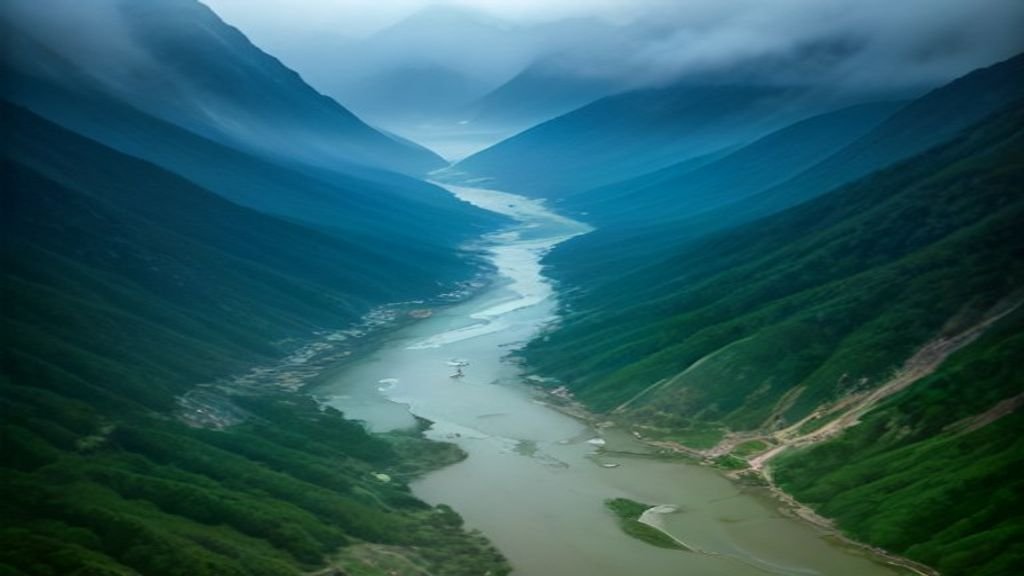

Unprecedented Devastation Across the Himalayan Nation
In recent days, the Himalayan country of Nepal has experienced one of the most destructive natural disasters in its modern history. Continuous downpours during an extraordinarily intense monsoon phase triggered sudden flash floods and devastating mudslides across multiple provinces. As news of the Nepal flash floods aftermath spreads globally, official reports confirm that the death toll has tragically passed 1,050 individuals, with hundreds more listed as missing or critically injured.
Raging river basins, including the major Bagmati and Koshi rivers, overflowed overnight, submerging low-lying urban areas, rural settlements, and critical transport routes. The destruction has disrupted the daily lives of millions, knocking out electrical grids, severing telecommunication lines, and washing away vital bridges connecting mountain districts to major commercial hubs like Kathmandu. Emergency services and security personnel have been mobilized in a race against time to pull survivors from mud debris and provide emergency medical aid.
Prime Minister Links Extreme Flooding to Global Climate Change
Addressing the press and international aid organizations during an emergency briefing, the Prime Minister highlighted the systemic drivers behind this unprecedented event. State leadership explicitly linked the increasing frequency and intensity of severe downpours to global climate change, emphasizing that delicate mountain ecosystems in South Asia are bearing an unfair burden of global environmental degradation.
Scientists and environmental researchers working in the Hindu Kush Himalaya region have long warned of such outcomes. The Himalayas, often dubbed the Earth’s Third Pole due to its extensive ice reserves, are warming at rates substantially higher than the global average. This temperature rise causes irregular atmospheric conditions, leading to unpredictable atmospheric rivers and localized cloudbursts that dump massive volumes of precipitation over short durations.
Key Factors Driving Nepal’s Accelerating Flood Crisis
Understanding why recent monsoons have turned so lethal requires examining a combination of climate drivers and regional topographical factors. The primary contributors include:
- Increased Glacier Retreat and Snowmelt: Warmer atmospheric temperatures accelerate the melting of mountain glaciers, swelling high-altitude lakes beyond capacity and increasing the threat of outburst floods.
- Shift to High-Intensity Cloudbursts: Instead of steady, distributed seasonal rainfall, weather systems now deliver weeks worth of rainfall within a matter of hours, overwhelming natural drainage channels.
- Fragile Soil Geology and Landslides: Steep mountain slopes composed of loose soil become rapidly saturated during cloudbursts, leading to catastrophic landslides that bury entire hamlets.
- Unplanned Infrastructure Expansion: Rapid urbanization and informal construction along natural riverbeds reduce ground absorption capacity and trap floodwaters inside populated zones.
Rescue and Relief Operations Face Severe Challenges
Navigating the complex Nepal flash floods aftermath presents immense logistical hurdles for response teams. The combination of collapsed bridges, eroded highways, and continuous rockfalls has left numerous valley communities completely cut off from ground transport. In response, military helicopters and specialized rescue units have been deployed to execute high-altitude evacuations and drop emergency aid packages containing non-perishable food, blankets, and water purification kits.
International humanitarian agencies have begun coordinating with local authorities to establish temporary shelters and makeshift medical tents. However, medical officers on the ground warn of growing secondary health risks. Waterborne illnesses such as cholera, dysentery, and typhoid pose a severe threat due to contaminated municipal water sources and compromised sanitation infrastructure in flood-affected districts.
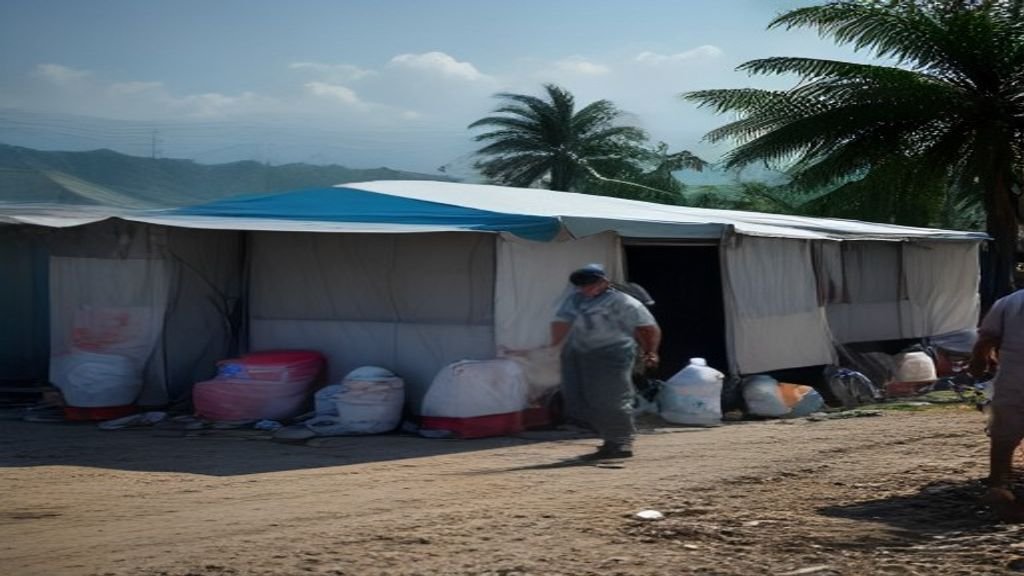
High Demand for Emergency Medical Supplies
Hospitals in urban centers are working around the clock to treat survivors suffering from severe trauma, hypothermia, and waterborne infections. Field clinics report urgent shortages of essential intravenous fluids, antibiotics, clean dressing materials, and portable water testing kits. Distributing these items to remote mountain districts remains heavily dependent on weather conditions permitting air transport.
The Broader Impact on South Asia’s Ecological Stability
The catastrophic event in Nepal is not an isolated crisis but part of a wider climate trend sweeping across South Asia. Nearby mountain regions and downstream basins in neighboring countries are also experiencing heightened flood risks as shared river systems swell beyond historic margins. Environmentalists stress that without coordinated cross-border disaster risk management and real-time hydrological data sharing, the human and economic costs will continue to escalate rapidly every monsoon season.
Economic analysts project that rebuilding damaged public infrastructure, rehabilitating agricultural land, and restoring destroyed housing in Nepal will require billions of dollars in long-term reconstruction funds. For a developing nation, this places a crushing burden on public finances and diverts resources from vital healthcare and education initiatives.
Building Resilience and Sustainable Climate Adaptation
As the immediate search-and-rescue phase transitions into long-term recovery, urban planners and environmental experts urge policy makers to prioritize climate resilience. Recommendations include constructing robust early-warning siren networks, enforcing strict zoning laws along flood-prone riverbanks, and investing in bio-engineering solutions to stabilize vulnerable mountain slopes.
Community-Based Disaster Risk Management (CBDRM) training is also crucial. Equipping local village councils with basic search equipment, satellite phones, and first-aid capabilities enables immediate local action before central government aid can navigate blocked mountain passes.
A Worldwide Imperative for Global Action
The heartbreaking loss of over 1,050 lives in the Nepal flash floods aftermath serves as a dramatic wake-up call to the global community. Developing and mountain-bound nations contribute a tiny fraction of global greenhouse emissions, yet they remain on the front lines of climate-driven disasters. Addressing this imbalance requires robust commitment to international climate loss and damage funds, facilitating technological transfer, and delivering targeted adaptation assistance. Only through unified global action can vulnerable societies strengthen their defenses against an increasingly unpredictable climate.