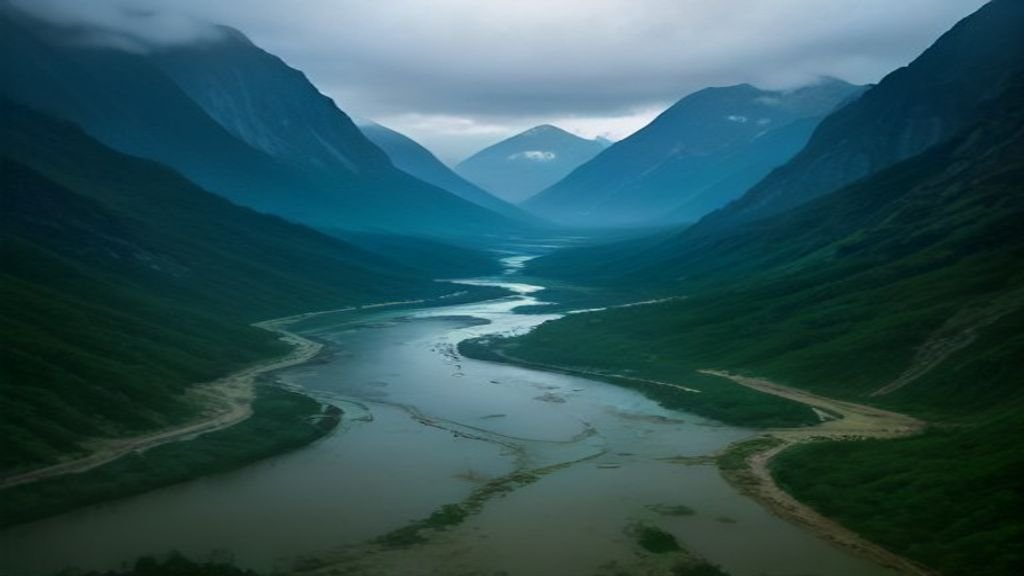

Unprecedented Devastation Across Nepal
The recent torrential downpours across Nepal have triggered widespread destruction, sending surging rivers over their banks and unleashing massive landslides across mountain communities. As search and rescue teams work tirelessly through thick mud and debris, local authorities report a tragic impact on human lives, basic infrastructure, and regional economic stability. The aftermath of these severe Nepal flash floods climate change discussions has reached the global stage, with leadership emphasizing that traditional weather patterns are shifting dramatically into unpredictable ecological crises.
Entire neighborhoods have been submerged in floodwaters, while key highways connecting major urban centers to rural districts remain severed. Bridges have been swept away by furious currents, leaving isolated villages dependent on aerial relief operations and emergency river crossings. As the humanitarian response intensifies, government officials and environmental experts are united in recognizing that these extreme events are no longer isolated natural anomalies, but part of a troubling global atmospheric trend.
Prime Minister Links Natural Disaster to Global Climate Crisis
Addressing the nation and international observers during the disaster response, Nepal’s Prime Minister clearly connected the scale of this flooding catastrophe to the broader realities of global warming. In his official briefing, he emphasized that mountain nations like Nepal contribute negligibly to global greenhouse gas emissions, yet they remain on the frontlines of devastating environmental consequences.
The leadership highlighted that rising global temperatures are altering historic monsoon dynamics across South Asia. Unprecedented cloudbursts—where immense volumes of rain fall in extremely concentrated windows—are overwhelming natural drainage basins and urban infrastructure alike. The government has called upon the global community for both immediate humanitarian relief and long-term climate finance to build resilient infrastructure capable of surviving these intensified weather patterns.
The Science Behind Himalayan Climate Vulnerability
The Himalayan region, often referred to as the ‘Third Pole’ due to its vast ice reserves, is warming at a rate significantly higher than the global average. This rapid temperature increase disrupts traditional precipitation rhythms and creates volatile atmospheric conditions. Environmental scientists highlight several primary factors contributing to the worsening flood risks in Nepal:
- Intensified Monsoon Cloudbursts: Warmer air holds significantly more moisture, leading to sudden, high-intensity rainfall events that ground and riverbed systems cannot absorb quickly enough.
- Glacial Melt and River Basin Overload: Accelerating glacier melt increases baseline water levels in Himalayan river systems, reducing their capacity to handle heavy rainfall during peak monsoon seasons.
- Unstable Geological Topography: Steep mountain slopes combined with intense rainwater saturation trigger massive soil liquefaction, resulting in destructive landslides that block rivers and create dangerous artificial dams.
- Rapid and Unplanned Urbanization: Encroachment on natural floodplains and inadequate stormwater drainage systems in expanding cities exacerbate localized waterlogging and flood damage.
Immediate Challenges: Relief, Rescue, and Health Risks
In the immediate aftermath of the flooding, emergency response teams face significant logistical hurdles. Landslides have blocked crucial transit corridors, delaying the delivery of essential supplies like food, clean drinking water, and medicine to remote mountain communities. Helicopters and specialized rescue personnel are operating constantly, but persistent rain and low visibility continually disrupt operations.
Preventing Waterborne Disease Outbreaks
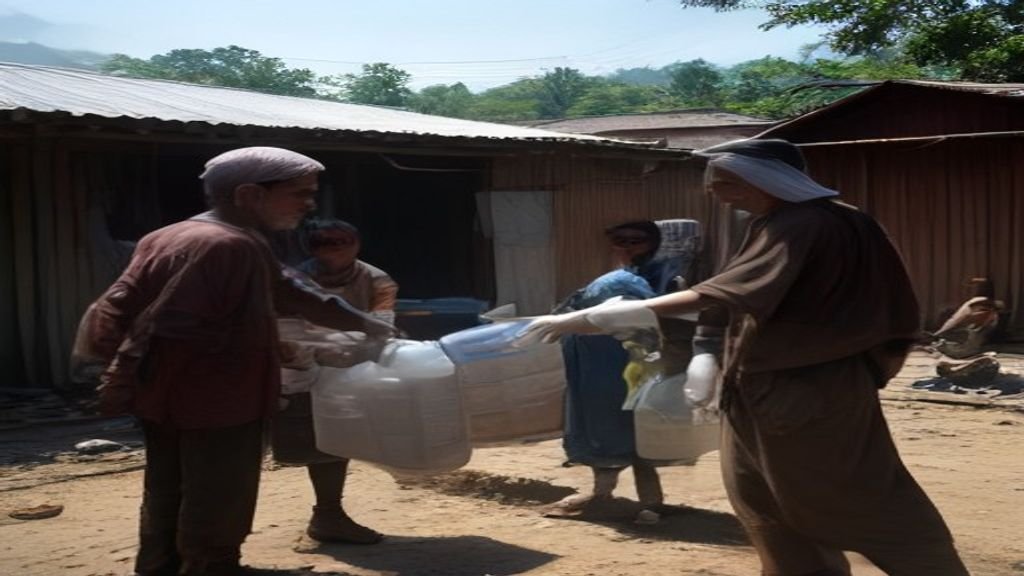
Health authorities have raised urgent concerns regarding the spread of waterborne illnesses. Damaged sanitation networks and inundated drinking water supplies create ideal conditions for diseases like cholera, typhoid, and gastroenteritis. Relief agencies are prioritizing the distribution of water purification tablets, hygiene kits, and temporary sanitation units to displaced family camps established in schools and community halls.
Reestablishing Connectivity and Power
Restoring access to power and telecommunications remains critical. Hundreds of transmission towers and local substations suffered severe structural damage during the flood surges. Civil engineers are working around the clock to erect temporary bridges and clear major highway arteries to ensure the flow of essential goods and emergency services across affected provinces.
Building Climate Resilience: Policy Imperatives for the Future
This disaster highlights an urgent need to transition from reactive disaster response to proactive, climate-resilient regional planning. Experts suggest that minimizing the impact of future flash floods requires a comprehensive multi-pronged strategy integrating technology, community preparedness, and sustainable engineering.
1. Advanced Early Warning Systems
Expanding real-time hydrological monitoring systems along major river basins can give downstream communities precious hours to evacuate before flood crests arrive. Automated SMS alerts and community-level sirens have already saved countless lives, but coverage must extend to every vulnerable valley.
2. Climate-Resilient Infrastructure Design
Future roads, bridges, and housing developments must be engineered to withstand higher rainfall thresholds and shifting ground stability. Utilizing nature-based solutions, such as slope bio-engineering with deep-root vegetation, can help stabilize vulnerable hillsides along critical transportation routes.
3. Loss and Damage Financing
International climate agreements, including global Loss and Damage funds, must streamline financial access for vulnerable developing countries facing climate-driven disasters. Nepal’s situation demonstrates the crucial need for prompt international support to help vulnerable regions rebuild stronger without incurring unsustainable national debt.
Conclusion: A Calls for Global Climate Solidarity
The tragic outcome of the recent flood events serves as a stark reminder of humanity’s shared environmental vulnerability. As Nepal navigates the grueling process of recovery, reconstruction, and grief, the dialogue surrounding the Nepal flash floods climate change connection remains vital. Protecting vulnerable mountain communities requires not only localized disaster mitigation and aid, but a serious, coordinated global effort to reduce carbon emissions and invest in a sustainable, climate-resilient future.


Pingback: Minneapolis Loring Park Shooting: Key Details, Police Response, and Community Impact - Trend