
Understanding the ‘Small Potatoes’ Shift in Foreign Policy Rhetoric
In recent political commentary regarding foreign policy in the Middle East, statement trends have sparked intense debate among international analysts, diplomats, and military strategists. When headlines broke noting how Donald Trump downplays Iran conflict escalation by describing localized military exchanges or proxy friction as ‘small potatoes,’ observers immediately began dissecting the deeper motives behind such deliberate dismissal. Far from being simple off-the-cuff remarks, such language often reflects a calculated public narrative intended to frame broader strategic objectives, calm volatile global markets, and reshape public perceptions of international risk.
Historically, rhetoric surrounding Middle Eastern diplomacy fluctuates between aggressive posturing and strategic minimization. By categorizing security incidents as minor affairs, political leadership effectively attempts to manage military expectations, avoid unwanted escalation cycles, and project an image of absolute control over complex geopolitical dynamics.
The Strategic Drivers Behind Minimizing Regional Escalation
Why would a major political figure characterize high-stakes regional tensions in such casual terms? Analyzing the domestic and international drivers reveals several interconnected factors that influence how leaders communicate about military threats.
- Domestic Audience Engagement: Public fatigue regarding prolonged international military engagements drives politicians to reassure voters that minor conflicts will not drag the nation into endless overseas wars.
- Economic and Oil Market Stabilization: Energy markets are hyper-sensitive to conflict rhetoric in the Persian Gulf. Minimizing tensions helps prevent rapid spikes in crude oil prices and maintains domestic economic stability.
- Strategic Deterrence vs. De-escalation: Framing an opponent’s actions as insignificant or ‘small potatoes’ can serve as a psychological tactic to diminish the adversary’s perceived regional influence while asserting dominant authority.
- Prioritization of Broader Geopolitical Goals: Dismissing specific localized skirmishes allows strategists to refocus public and diplomatic energy toward larger long-term priorities, such as trade negotiations or major power competition.
When leadership like Trump downplays Iran conflict risks, it signals to international partners and adversaries alike that the administration wishes to set high thresholds for direct full-scale military involvement.
Historical Context of US-Iran Relations and Political Rhetoric
To fully grasp the current discourse, one must examine the decade-long history of bilateral tension between Washington and Tehran. From diplomatic treaties to severe economic sanctions and targeted strike operations, the relationship has continuously swung between containment and confrontation. Throughout various administrations, public language has always served as a primary tool of statecraft.
During periods of intense tension, such as maritime disruptions in the Strait of Hormuz or drone strikes on strategic regional infrastructure, official statements dictate whether the global community prepares for diplomatic dialogue or armed military confrontation. When a leader actively works to portray skirmishes as minor affairs, it typically indicates a preference for economic pressure, maximum sanctions, or covert operations over direct, full-scale military conflict.
Impact on Middle Eastern Allies and Global Security Alliances
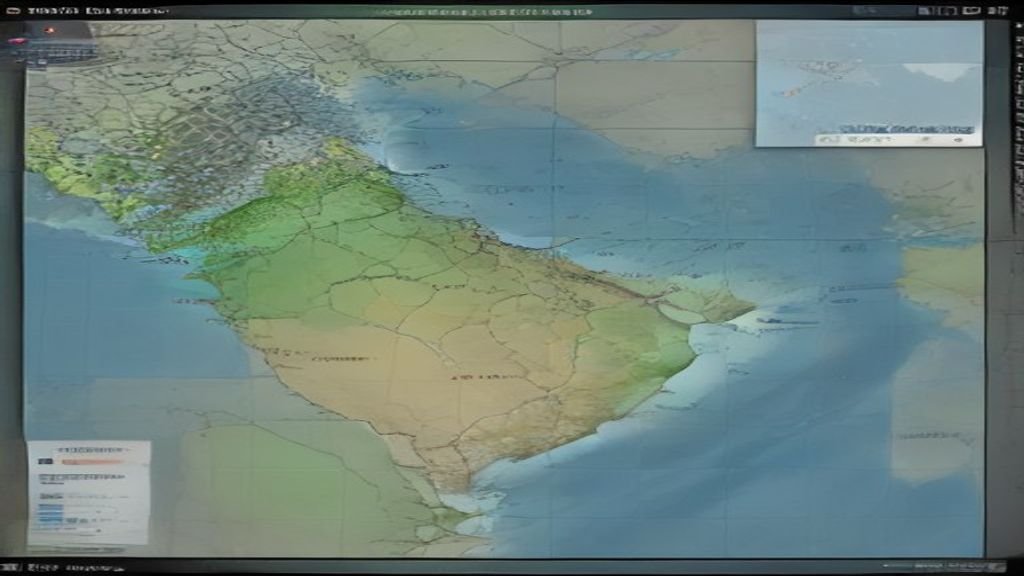
The global audience for such political statements extends far beyond domestic voters. Key regional allies in the Middle East monitor political messaging from Washington with extreme scrutiny. How these strategic partners interpret the dismissal of regional military events shapes their own national security planning.
1. Regional Alliance Dynamics
Partners who rely on strong international defense guarantees closely analyze whether downplaying conflict signals a potential drawdown of military commitment or a strategic recalibration. Clear communication remains essential to prevent regional arms races or independent military maneuvers that could destabilize broader diplomatic alliances.
2. Adversary Responses and Calculated Risks
Conversely, opposing regional actors monitor rhetorical shifts to assess an administration’s true red lines. If an adversary perceives that leadership dismisses minor military provocations, they may test boundaries further—or, alternatively, step back to avoid triggering an unpredictable response if those boundaries are crossed.
Economic Implications and Energy Market Reactions
Global financial systems respond instantly to international security news. The Persian Gulf remains one of the world’s most critical transit bottlenecks for international energy transport, particularly crude oil and liquefied natural gas (LNG). When political figures engage in fiery rhetoric, energy futures spike, driving up shipping insurance costs and consumer fuel prices worldwide.
By contrast, when political rhetoric downplays potential military clashes, market volatility subsides. Investors interpret the diplomatic tone as a sign that trade corridors will remain operational and that energy infrastructure is unlikely to face immediate, widespread destruction. Consequently, maintaining a steady, non-alarmist message directly serves economic stability across international markets.
Navigating the Future of International Diplomacy
As international observers look ahead, the interplay between political rhetoric, economic realities, and military strategy will continue to evolve. Whether public statements frame events as major crises or dismiss them as minor distractions, the underlying strategic friction between global powers remains complex.
Understanding foreign policy requires looking past headline-grabbing phrases like ‘small potatoes’ to evaluate concrete policy measures, sanction frameworks, defense deployments, and diplomatic negotiations. As the situation develops, analyzing these strategic layers provides a clearer picture of long-term global stability than surface-level rhetoric alone.