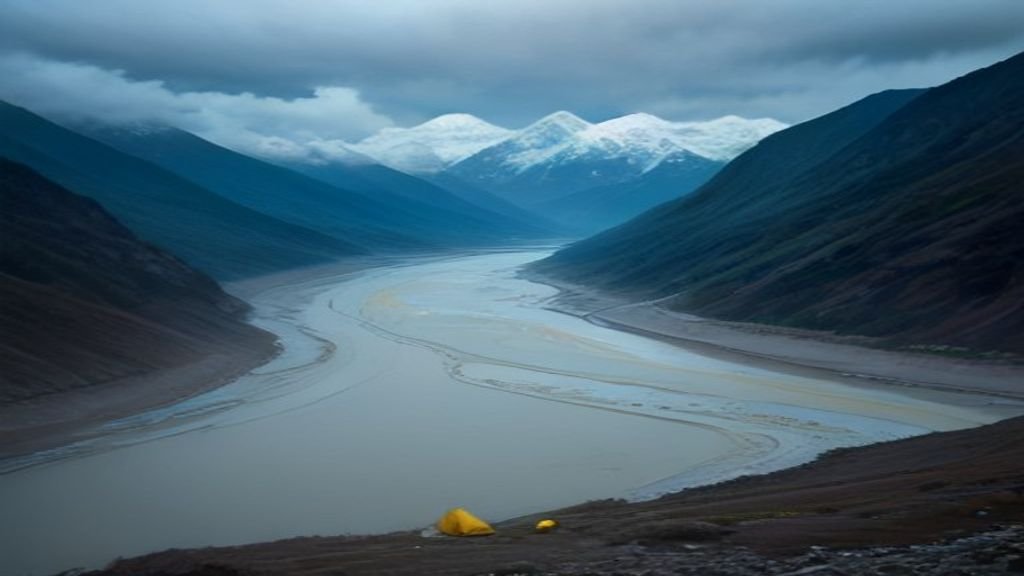

Understanding the Nepal Flash Floods Aftermath
The recent torrential downpours across the Himalayan nation have triggered unprecedented environmental catastrophes, leaving communities devastated in their wake. The Nepal flash floods aftermath presents a sobering picture of intense natural destruction, with rising casualty numbers, extensive damage to public infrastructure, and thousands of residents displaced from their homes. As emergency crews navigate treacherous terrains to locate missing individuals, the scale of this humanitarian crisis continues to unfold across both rural hillsides and urban centers.
Disaster response teams, military personnel, and localized volunteer groups are working around the clock under severe conditions. Monsoon systems in the region have historically brought heavy rainfall, but the sheer volume and rapid concentration of precipitation in recent days overwhelmed local river basins, causing rivers to burst their banks and trigger massive mudslides down fragile mountain slopes.
Magnitude of the Disaster: Impact on Human Lives and Infrastructure
The physical destruction caused by the flooding is widespread, affecting transportation networks, communication lines, and basic utilities across multiple districts. High-velocity floodwaters washed away concrete bridges, submerged motorways, and severed vital road connections that link remote mountain villages to major urban hubs.
Key areas affected by the disaster face significant operational obstacles:
- Transportation Cutoffs: Major highways connecting regional trade centers have been blocked by thick debris and collapsed road sections, stalling rescue vehicles and supply chains.
- Communication Blackouts: Damaged fiber-optic lines and submerged mobile towers have crippled telecommunications, making it difficult for stranded families to contact emergency services.
- Water and Power Disruptions: Hydroelectric stations and local municipal water systems suffered severe structural damage, leaving thousands of households without clean drinking water or reliable electricity.
- Agricultural Losses: Acres of fertile farmland have been covered under layers of mud and silt, destroying seasonal crops and threatening long-term food security for subsistence farmers.
Key Challenges Facing Emergency Rescue Operations
Conducting search and rescue operations in the Nepal flash floods aftermath is an extraordinarily complex task. The mountainous terrain, combined with unstable soil conditions, creates severe hazards for ground crews and aerial rescue missions alike.
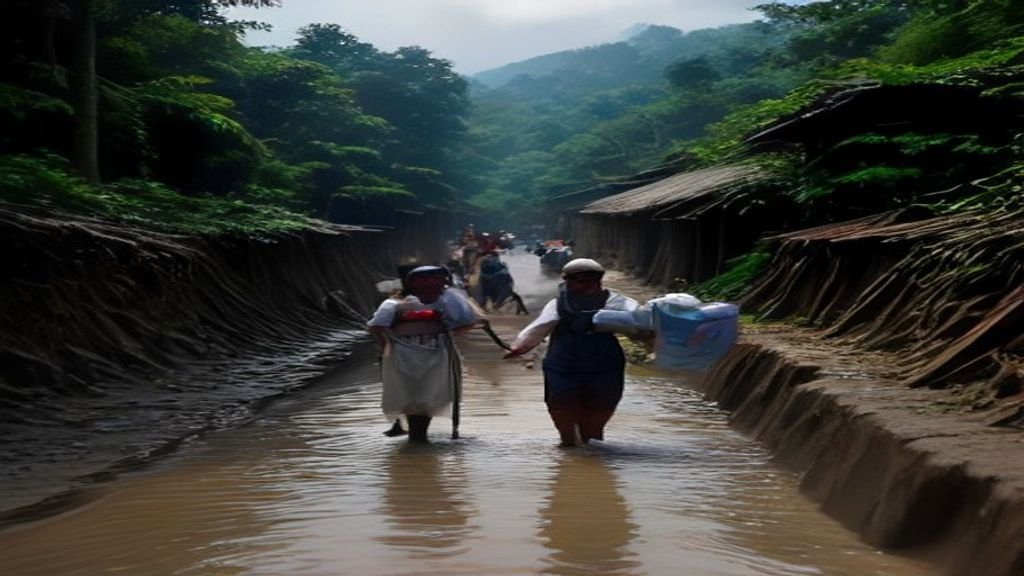
In many rural mountain passages, secondary landslides continue to occur due to saturated soil. Rescue teams equipped with heavy machinery often find their routes blocked by massive boulders and deep mud, forcing them to clear roads manually before proceeding. In low-lying river plains, inundated residential areas require boats and specialized watercraft to evacuate families stranded on rooftops.
Furthermore, unpredictable weather patterns continue to ground rescue helicopters, delaying critical medical evacuations for critically injured survivors in remote sectors. Despite these severe constraints, community members have demonstrated remarkable resilience, forming neighborhood search groups to support official emergency personnel in clearing mud and locating missing neighbors.
Environmental and Topographical Factors Behind the Catastrophe
To understand the severity of the Nepal flash floods aftermath, it is essential to examine the underlying environmental and geographical dynamics of the South Asian monsoon system. The Himalayan landscape is geologically young and highly susceptible to erosion. When extreme rainfall occurs over a short duration—a phenomenon often referred to as a cloudburst—the steep hillsides cannot absorb the moisture efficiently.
In recent years, changing global climate patterns have altered traditional monsoon behaviors, leading to more intense, localized precipitation events rather than evenly distributed rainfall over several months. Additionally, rapid urbanization and unmanaged infrastructure development along riverbanks have altered natural drainage channels, reducing the landscape’s ability to buffer heavy water flow.
The Role of Deforestation and Land-Use Changes
Uncontrolled land clearing on hill slopes for road expansion and agricultural development weakens the natural root networks that anchor topsoil. When heavy rains hit these exposed areas, topsoil quickly degrades into thick mudslides that slide rapidly into valley settlements, compounding the force of rising river currents.
Immediate Relief and Humanitarian Assistance Priorities
Addressing the immediate needs of flood survivors requires coordinated action between governmental agencies, non-governmental organizations (NGOs), and international humanitarian partners. The immediate priorities in the Nepal flash floods aftermath center around basic survival assistance and disease prevention.
Temporary shelter camps have been established in schools, community centers, and public parks to accommodate displaced families. However, overcrowding and limited sanitation facilities present significant public health risks, including potential outbreaks of waterborne diseases such as cholera and gastroenteritis.
Relief agencies are prioritizing the distribution of:
- Clean drinking water and water-purification tablets to prevent disease transmission.
- Dry food rations, baby formula, and emergency cooking kits.
- Medical supplies, including antibiotics, bandages, and trauma kits for field clinics.
- Tarpaulins, blankets, and temporary bedding for families who lost their homes.
Long-Term Recovery and Building Climate Resilience
While the immediate focus remains on life-saving operations, long-term planning is critical to help vulnerable regions rebuild stronger. The recurring nature of monsoon disasters highlights the necessity of integrating climate-resilient infrastructure into future development models.
Strengthening early warning systems is one of the most effective ways to minimize future loss of life. Modernizing hydrological monitoring stations and establishing automated SMS alert networks can provide local communities with precious extra time to evacuate before floodwaters reach dangerous levels.
Furthermore, strict enforcement of zoning regulations to prevent construction in high-risk floodplains, alongside large-scale reforestation programs on vulnerable hill slopes, will be vital to mitigating future catastrophic events.
Conclusion: Unity in the Face of Adversity
The Nepal flash floods aftermath serves as a poignant reminder of the power of natural forces and the urgent need for robust disaster management frameworks in ecologically sensitive zones. As search operations continue and families begin the difficult process of rebuilding their lives, international solidarity and sustained local support will be essential to helping the affected communities recover from this profound tragedy.