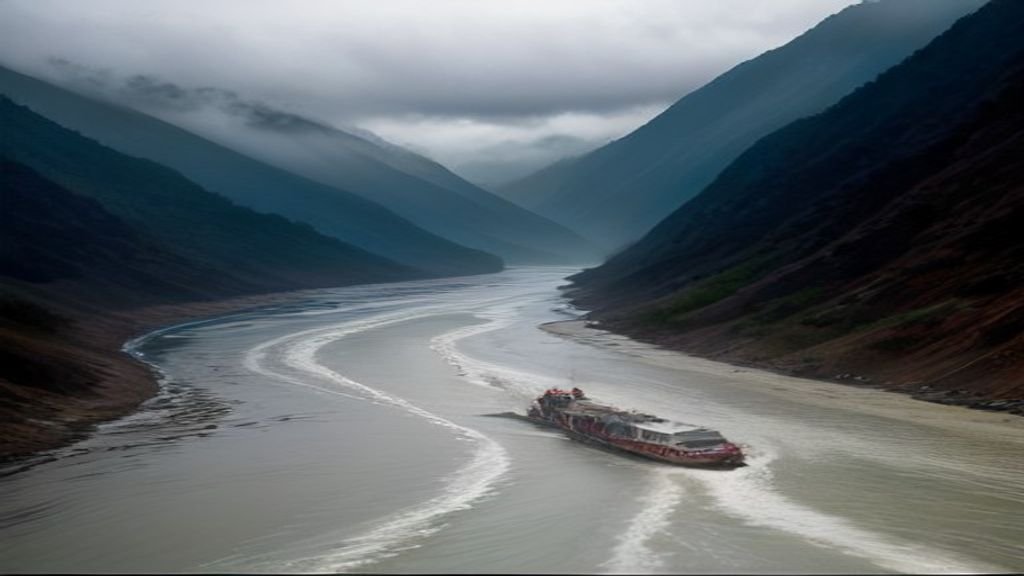

A devastating environmental crisis has engulfed the Himalayan borderlands as torrential monsoon downpours and sudden river surges continue to ravage remote communities in Nepal and southern Tibet, China. With official casualty figures now tragically passing 1,270 human lives lost, emergency services, military forces, and local volunteer networks are mobilizing across rugged terrain. Despite treacherous weather conditions and massive land collapse, broad-scale Nepal China flood rescue efforts remain active around the clock, aiming to locate missing individuals, provide urgent medical care, and supply temporary shelter to thousands of displaced families.
Understanding the Cross-Border Disaster
The geography of the high Himalayas makes the border region between Nepal and China particularly susceptible to extreme weather phenomena. Over the past several weeks, an intensified monsoon trough combined with atmospheric instability caused unprecedented volume rainfalls across high-altitude river basins. Swollen rivers breached natural levees, sending debris-laden currents cascading down narrow valleys. Entire hamlets, agricultural terraces, and critical infrastructure links were inundated within hours, leaving communities cut off from conventional emergency services.
Reports from both sides of the frontier highlight the massive scale of destruction. In northern districts of Nepal, swift flash floods swept away multi-story buildings, suspension bridges, and vital mountain roadways. Across the border in the Tibet Autonomous Region of China, lower-lying river valleys faced similar catastrophes, where landslide debris choked tributaries, creating artificial lakes that subsequently burst and inundated downstream settlements. The shared nature of these river systems means that downstream areas in Nepal experienced compound flooding from upstream surges originating in China, compounding the overall casualties and physical devastation.
Ongoing Nepal China Flood Rescue Efforts on the Ground
Despite the immense hazards posed by continuing soil erosion and unpredictable weather shifts, dedicated response units are executing complex operations. Defense personnel, specialized urban search-and-rescue teams, and medical corps have been deployed across affected zones in both countries. In many isolated districts, aerial reconnaissance and helicopter drops represent the primary means of transferring aid workers and evacuating critically injured survivors.
In Nepal, security forces alongside international aid partners are actively navigating blocked highway passes using heavy earth-moving equipment. However, persistent rains frequently trigger fresh mudslides, re-blocking cleared routes and temporarily stranding relief convoys. On the northern side of the border, Chinese emergency management agencies have deployed specialized engineering units, motorized pontoon units, and search drones to navigate destroyed terrain and rescue stranded residents in remote valley hamlets.
Major Challenges Hindering Field Operations
Humanitarian organizations working on the frontlines report severe operational constraints due to the extreme topography and damaged logistics networks. Key factors complicating the emergency response include:
- Severed Communication Networks: Damaged fiber-optic cables and downed cellular towers have cut off digital communications with several mountain villages, making initial damage assessments difficult.
- Unstable Mountain Slopes: Saturated soil conditions continue to cause spontaneous landslides, posing direct risks to rescue personnel and heavy machinery operators.
- Air Transport Limitations: Dense fog, low cloud cover, and erratic wind gusts in high-altitude passes frequently ground rescue helicopters, delaying critical evacuations.
- Contaminated Water Supplies: Floodwaters have disrupted localized drinking water systems, significantly raising the risk of waterborne illness outbreaks in temporary evacuation camps.
- Infrastructure Rupture: Destroyed bridges and washed-out mountain roads require long detours or manual foot-transports for essential supplies, slowing down relief distribution schedules.
Humanitarian Response and Relief Efforts
As search operations press forward, emergency agencies are simultaneously managing a expanding humanitarian aid campaign. Non-governmental organizations, local youth groups, and international humanitarian bodies are setting up field clinics and temporary shelter centers. Relief agencies are prioritizing the distribution of clean drinking water, water purification tablets, dry food rations, hygiene kits, and winter-ready tents to safeguard vulnerable populations from harsh night temperatures.
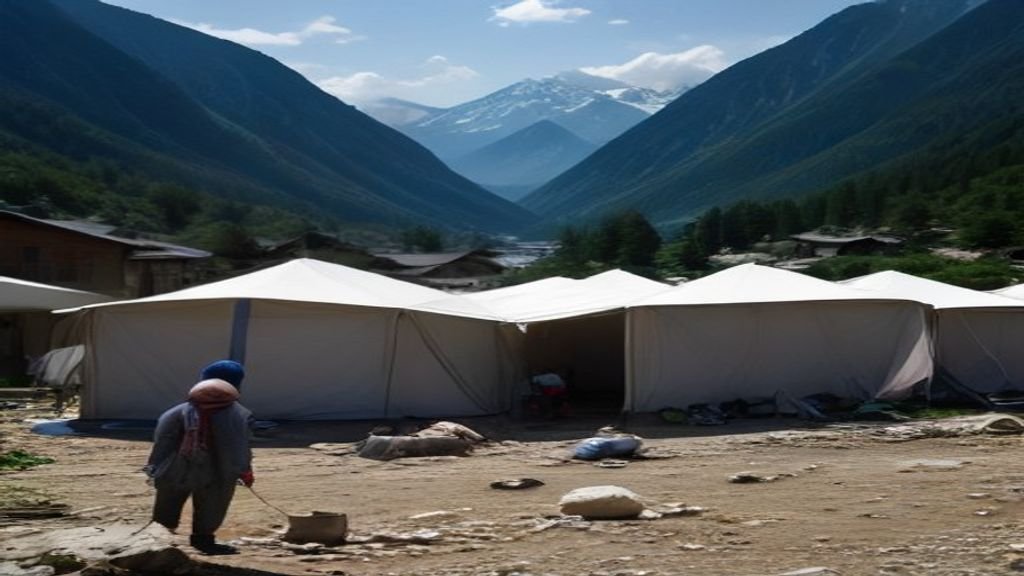
Efforts to maintain public health are critical at this stage. Temporary health camps have been established near major displacement hubs to treat injuries, distribute antibiotics, and monitor for signs of waterborne diseases like cholera and gastroenteritis. Field medics are working tirelessly under challenging conditions to treat survivors suffering from trauma, hypothermia, and exhaustion.
The Broader Environmental and Climate Context
Environmental experts point to long-term climate trends as a major contributing factor to the severity of this disaster. The Himalayan ecosystem is widely recognized as one of the most climate-vulnerable zones in the world. Rapid temperature changes in the high mountains alter traditional monsoon cycles, causing hyper-localized, intense rainfall events rather than evenly distributed precipitation across the season.
Furthermore, warming temperatures accelerate glacial melting, forming high-altitude glacial lakes bound by fragile moraine dams. When unexpected torrential rains hit these delicate geological structures, the risk of Glacial Lake Outburst Floods (GLOFs) spikes dramatically. Earth scientists and climate experts stress that without modernized early-warning infrastructure, adaptive land-use planning, and cross-border environmental monitoring, extreme flood events of this magnitude will continue to pose existential risks to mountain communities.
Reconstruction and the Road to Recovery
While current priority remains strictly on saving lives through coordinated Nepal China flood rescue efforts, public authorities are beginning to consider the daunting task of long-term rehabilitation. Rebuilding resilient infrastructure—such as flood-resistant bridges, reinforced mountain roads, and re-engineered housing away from high-risk river beds—will require significant financial resources and regional planning.
Bilateral cooperation between Nepal and China will be essential in the coming months. Shared river basins necessitate joint hydrological monitoring, early warning information exchange, and synchronized disaster management protocols to mitigate future transboundary environmental risks. International financial institutions and global climate funds are expected to play a supportive role in aiding post-disaster recovery and helping rebuild affected communities.
Conclusion
The tragic loss of over 1,270 lives in the Nepal-China border region highlights the profound human impact of extreme weather events in high-altitude ecosystems. Even as frontline responders work courageously against difficult climate and geographic conditions, ongoing Nepal China flood rescue efforts demonstrate the vital importance of rapid emergency response and regional coordination. As search operations continue, global solidarity, immediate aid delivery, and sustainable long-term disaster resilience planning will be vital to helping the affected populations rebuild their lives from this unprecedented catastrophe.