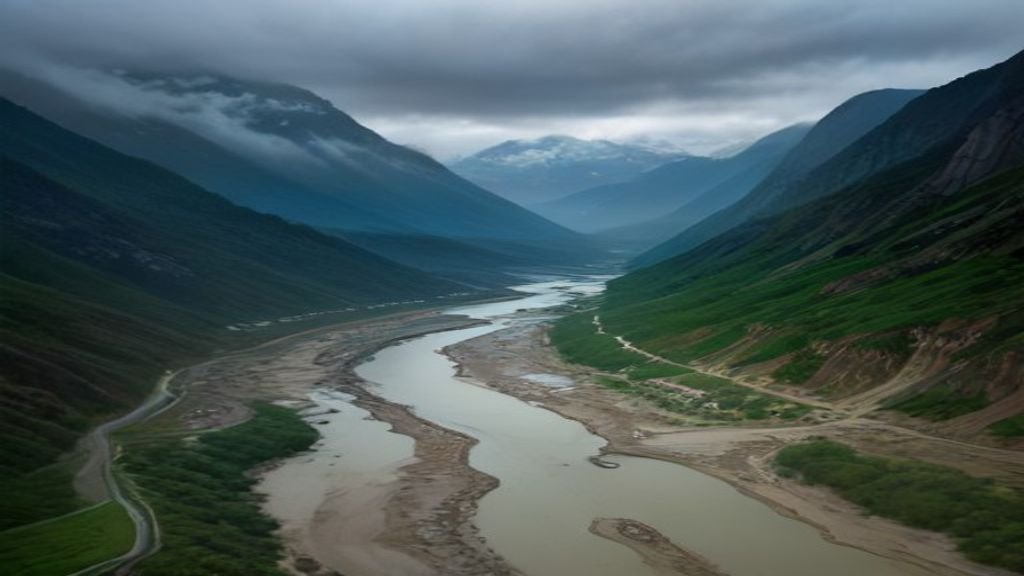

Torrential monsoon downpours have unleashed severe flooding and massive landslides across various regions of Nepal, leading to catastrophic damage to infrastructure, loss of lives, and widespread displacement. As emergency responders work around the clock, staying tuned to Nepal flood live updates offers crucial insights into the evolving ground situation, evacuation procedures, and emergency relief operations launched by national and international authorities.
Unprecedented Monsoon Rainfall Triggers Widespread Destruction
The recent weather anomaly in the Himalayan region has brought unprecedented precipitation over a condensed timeframe. Continuous rainfall over consecutive days has overwhelmed major river basins, including the Bagmati, Trishuli, Koshi, and Gandaki rivers. Rivers swollen far beyond their danger thresholds have breached natural barriers and embankments, submerging entire villages, farmland, and urban neighborhoods.
In the capital city of Kathmandu, low-lying areas along river corridors experienced severe inundation, leaving thousands of homes flooded and power supplies disrupted. Key transit routes, such as the Prithvi Highway and the Tribhuvan Highway, faced severe blockages caused by debris flows and massive landslides, cutting off vital supply lines between the capital and outlying districts.
Rescue and Relief Operations: A Race Against Time
In response to the catastrophe, the Government of Nepal activated its comprehensive emergency response framework. Security forces, including the Nepal Army, the Nepal Police, and the Armed Police Force, have been deployed to high-risk zones across the country. Rescue personnel are utilizing rubber rafts, heavy machinery, and tactical helicopters to air-lift stranded individuals from rooftops, isolated riverbanks, and remote hill villages.
Temporary relief camps have been established in schools, community centers, and public halls to provide immediate shelter to displaced families. Non-governmental organizations and community volunteers are collaborating with local authorities to distribute clean drinking water, dry food rations, medical kits, and sanitation supplies to prevent waterborne disease outbreaks in flooded regions.
Key Regions Severely Impacted by the Deluge
While the monsoon affects the entire country, several districts have borne the brunt of this natural disaster due to steep terrain and proximity to major rivers:
- Kathmandu Valley (Kathmandu, Lalitpur, Bhaktapur): Urban flooding caused widespread waterlogging in residential quarters, forcing residents to evacuate to higher grounds.
- Kavrepalanchok District: Experienced severe localized landslides that damaged rural roads, communication towers, and residential structures.
- Makwanpur & Dhading: Highway stretches suffered significant structural damage, stranding hundreds of cargo vehicles and passenger buses.
- Terai Plains (Southern Nepal): Agricultural lands across the southern plains faced prolonged submergence, raising concerns about potential crop losses and long-term food security impacts.
The Role of Climate Change and Ecological Vulnerability
Environmental experts point out that while heavy monsoon rains are a regular seasonal phenomenon in South Asia, the frequency and intensity of extreme weather events in the Hindu Kush Himalayan region have visibly heightened in recent years. Rapid atmospheric warming alters traditional weather patterns, leading to short bursts of intense rainfall rather than evenly distributed seasonal showers.
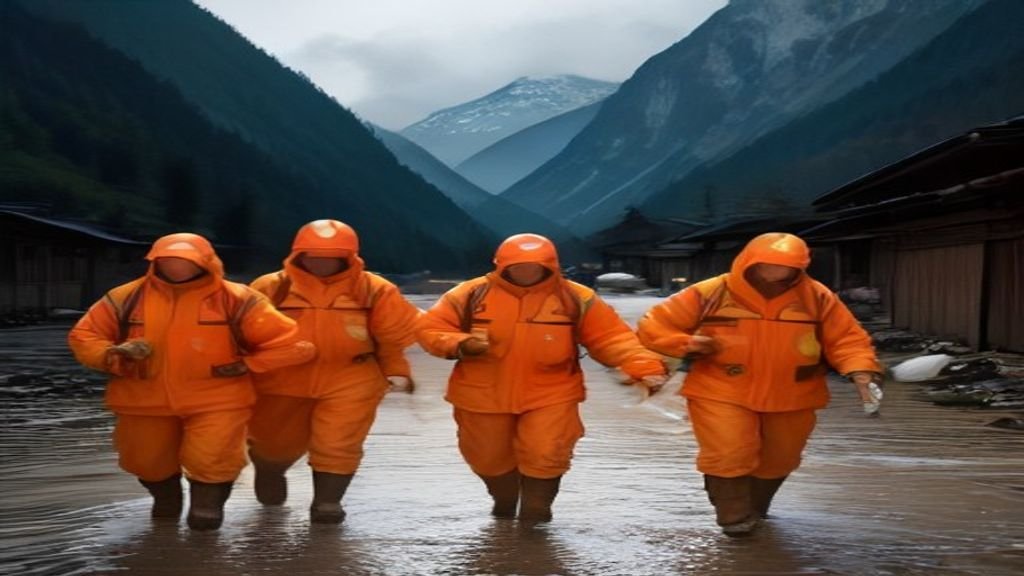
Furthermore, rapid and unplanned urbanization, deforestation along river slopes, and inadequate stormwater drainage infrastructure exacerbate the impact of heavy rains. As citizens rely on Nepal flood live updates to check road blockades and district advisories, policy experts stress the urgency of resilient urban planning, improved slope stabilization, and advanced early warning systems across vulnerable river channels.
International Support and Humanitarian Assistance
International aid agencies, humanitarian organizations, and neighboring nations have expressed solidarity with Nepal during this critical moment. The United Nations Office for the Coordination of Humanitarian Affairs (OCHA), along with the Red Cross movement, is coordinating with national authorities to assess damage levels and deploy emergency funds.
Priority areas for international aid include emergency medical supplies, water purification tablets, temporary shelter canvas, and long-term rehabilitation packages for affected families who have lost homes and livelihood assets.
Essential Safety Guidelines for Residents and Travelers
During ongoing severe monsoon activity, authorities recommend that citizens, travelers, and relief workers observe the following safety measures:
- Avoid Riverbanks and Floodplains: Maintain a safe distance from rising rivers and drainage channels, as sudden flash floods can occur without warning.
- Monitor Official Bulletins: Regularly check verified news channels and official Nepal flood live updates issued by the Department of Hydrology and Meteorology.
- Restrict Non-Essential Travel: Refrain from traveling along mountain highways during nighttime or high-rainfall periods due to high landslide risks.
- Prepare Emergency Supplies: Keep a basic emergency kit ready with essential medicines, flashlights, non-perishable food, water, and important identity documents.
- Follow Local Evacuation Orders: Move immediately to designated emergency shelters if local security forces or community leaders issue evacuation advisories.
Looking Ahead: Reconstruction and Resilience
As water levels slowly begin to recede in specific catchment areas, the immediate focus shifts from emergency rescue to relief distribution, damage assessment, and long-term infrastructure reconstruction. Rebuilding damaged bridges, restoring electrical grids, and rehabilitating displaced communities will require coordinated national efforts and sustained international support.
Building back better will involve enforcing stricter building codes, installing real-time river level sensors, and promoting community-based disaster management practices to ensure the nation is better prepared for future environmental challenges.



Pingback: India Russia Ukraine War Mediation: Can New Delhi Help Bring Peace to Eastern Europe? - Trend