
The Unfolding Disaster: Extreme Monsoon Havoc Across Nepal
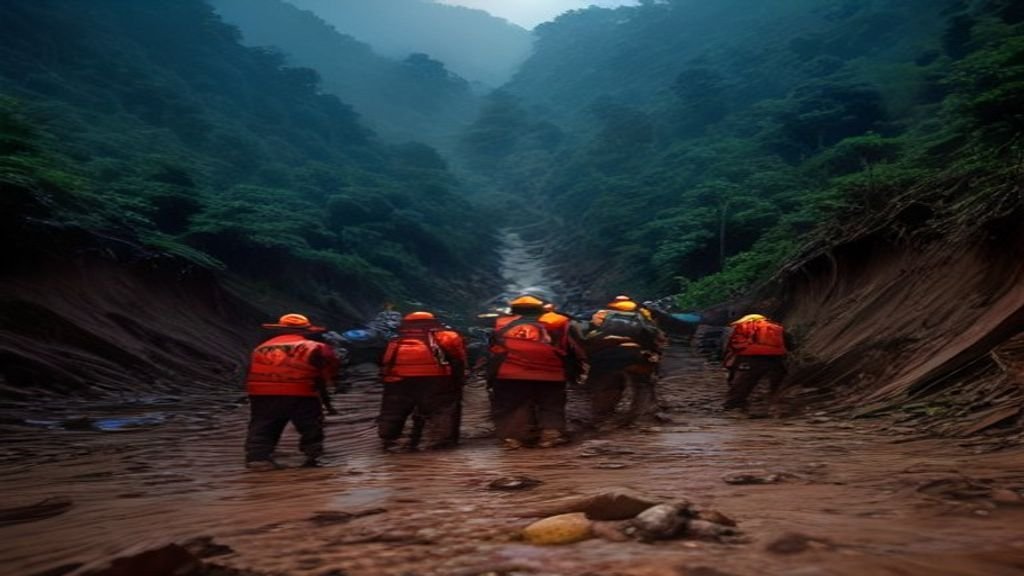
In recent weeks, continuous torrential rainfall has triggered catastrophic flash floods and widespread landslides across multiple districts in Nepal. Rivers overflowing their banks swept away critical infrastructure, inundated low-lying neighborhoods, and caused massive hillside collapses. Amidst this grim scene of widespread destruction, an extraordinarily miraculous event caught the attention of humanitarians and news outlets across the globe: the rescue of a woman who managed to stay alive inside her home after it was completely buried under mud and debris.
This incredible account of a Nepal flood survivor buried house situation demonstrates the incredible resilience of the human spirit in the face of overwhelming natural calamities. While local authorities and emergency crews worked tirelessly around the clock to locate missing residents, the discovery of a survivor deep beneath crushed structural elements and thick silt provided a much-needed ray of hope during a tragic national crisis.
The Hours of Suspense: How the Miracle Rescue Unfolded
The tragedy struck when a sudden mudslide loosened from a steep cliff, descending rapidly onto a small hillside settlement. Within minutes, multiple structures were damaged, and one single-story residential building was completely engulfed by heavy wet soil, boulders, and uprooted trees. Family members and neighbors who escaped immediately sounded the alarm, though the sheer volume of earth made manual search efforts exceptionally dangerous and difficult.
When first responders and military search-and-rescue units arrived at the scene of the Nepal flood survivor buried house, time was rapidly running out. Heavy machinery could not immediately reach the remote slope due to blocked access roads, forcing rescuers to rely on specialized manual equipment, acoustic listening devices, and trained rescue dogs.
Detecting Signs of Life Deep Underground
After hours of painstaking excavation and careful listening, rescue workers detected faint tapping sounds beneath a section of crushed roofing sheets. Recognizing that someone might still be alive, teams switched to careful hand-digging to avoid triggering secondary land collapses. Every bucket of mud removed brought search teams closer to what many feared was an impossible scenario.
The Delicate Extraction Process
Rescue operations under landslide debris require extreme caution. A misplaced movement can cause heavy pockets of soil to collapse inward, suffocating anyone trapped underneath. Rescuers strategically reinforced the mud walls with wooden planks as they dug deeper. After nearly a full day of non-stop effort, emergency teams established visual contact with the woman. She was conscious, despite suffering from dehydration, minor cuts, and severe psychological shock. Rescuers carefully cleared a path, provided immediate emergency oxygen, and pulled her safely out to unanimous cheers from the gathered community.
Survival Science: How Structural Air Pockets Save Lives
How does anyone endure being buried inside a collapsed building for extended hours? Disaster management experts point to several physiological and structural factors that contribute to such miraculous outcomes:
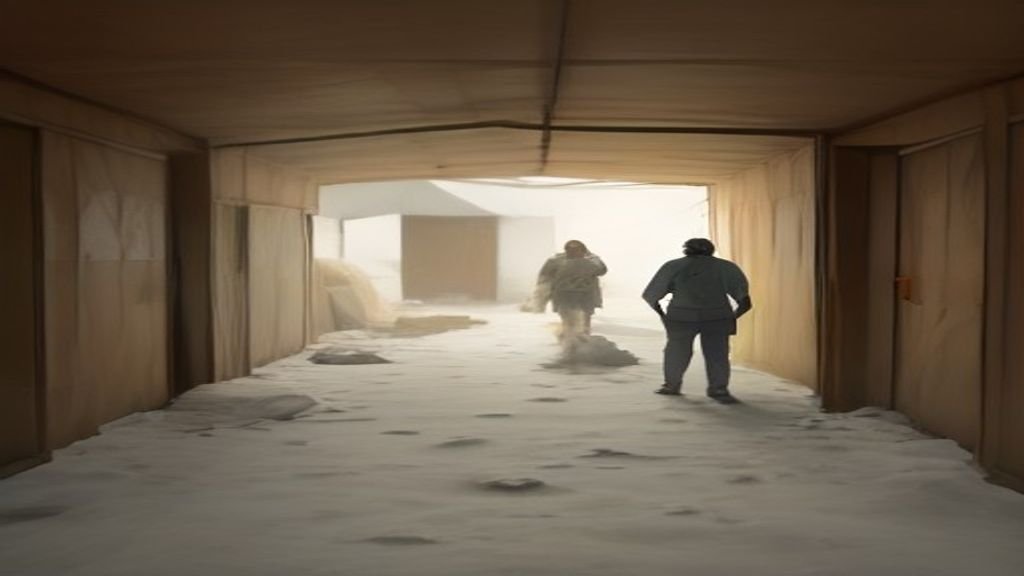
- Formation of Void Spaces: When a house collapses under earth or mud, heavy furniture, concrete beams, or sturdy wooden pillars often prevent total compaction, creating small hollow chambers called ‘air pockets’.
- Air Circulation: If the mud around the structure is not entirely airtight or if small gaps exist near roof joints, enough oxygen can trickle into the space to sustain breathing.
- Conserving Energy and Oxygen: Trapped survivors who manage to stay calm reduce their heart rate and metabolic oxygen demand, extending their survival window significantly.
- Protection from Direct Impact: Structural roofing materials can shield individuals from direct physical trauma during the initial earth movement.
The survival of the Nepal flood survivor buried house victim depended heavily on a combination of a sturdy structural corner creating a protective void and the victim’s ability to remain steady while waiting for help.
The Broader Impact of Torrential Flooding in Nepal
Nepal’s unique topography—characterized by steep Himalayan terrain, river valleys, and dense mountain settlements—makes it uniquely vulnerable to seasonal monsoon disasters. Heavy precipitation frequently destabilizes soil layers, resulting in rapid debris flows that engulf villages without advance warning. Climate scientists emphasize that changing weather patterns have intensified short-duration, high-intensity rainfall events across South Asia, increasing the frequency and severity of such events.
Challenges Facing Disaster Response Efforts
Relief efforts across affected districts face massive operational hurdles:
- Blocked Transportation Arteries: Major highways linking Kathmandu and regional hubs are frequently severed by debris, delaying heavy rescue machinery.
- Disrupted Communications: Smashed power lines and damaged cell towers make it difficult for trapped communities to request immediate emergency assistance.
- Risk of Secondary Earth Movement: Ongoing rain destabilizes hillsides further, risking the safety of active rescue crews.
Essential Community Disaster Survival Guidelines
While search and rescue teams work heroically, community awareness and early preparation remain the first line of defense against catastrophic landslides and severe river flooding. Disaster preparedness experts recommend several critical guidelines for residents living in high-risk hilly terrains:
- Monitor Local Weather and Hillside Alerts: Pay close attention to local hydrology warnings, especially during continuous multi-day rainstorms.
- Identify Early Warning Signs: Look out for fresh cracks in home foundations, sticking doors, muddy water seeping from hill bases, or leaning trees.
- Establish Pre-planned Evacuation Routes: Communities should identify safe high ground away from steep drainage channels and mudflow paths.
- Keep an Emergency Go-Bag Ready: Store essential medications, bottled water, flashlight, whistle, and identification documents in a waterproof bag near an exit.
- Utilize Sound Signals If Trapped: If buried under debris, conserve energy and hit metallic objects or structural beams periodically rather than screaming continuously.
Hope Amid Disaster: The Path to Reconstruction
The remarkable account of the Nepal flood survivor buried house incident serves as an enduring reminder of human endurance and rescue dedication. However, once immediate rescue operations conclude, affected regions face a long and challenging rebuilding phase. Thousands of displaced families require clean drinking water, temporary shelter, medical support, and psychological counseling to recover from severe trauma.
International humanitarian agencies, local non-profits, and government bodies continue working on the ground to distribute emergency supplies and assess long-term infrastructure repair needs. Stories of survival like this one inspire global solidarity, driving critical support toward vulnerable communities rebuilding their lives from the mud.