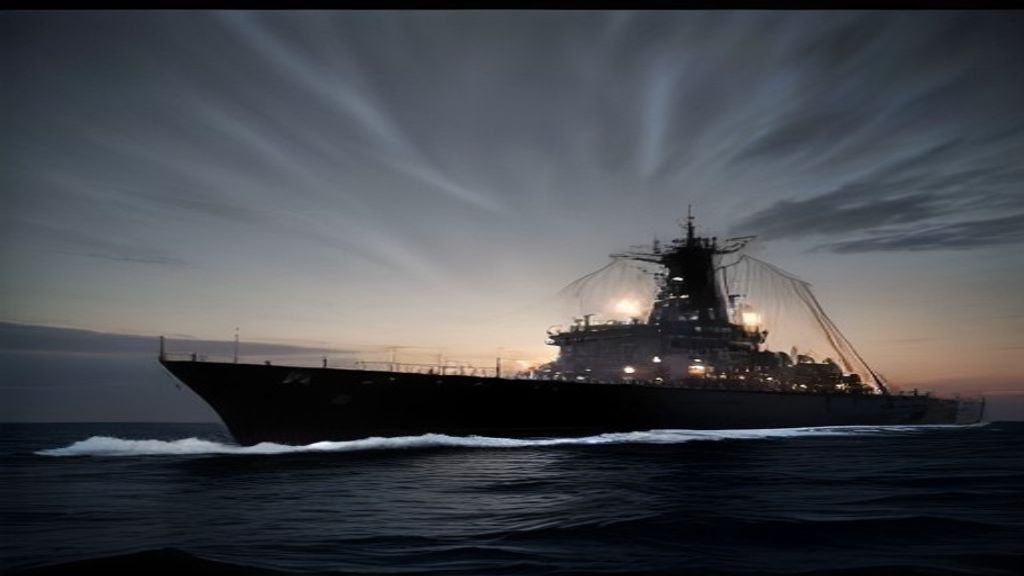

Geopolitical friction in the Middle East has reached a critical juncture following a series of military actions and maritime enforcement operations. In a dramatic escalation, news confirmed that the US hits Iranian oil tankers suspected of illegal illicit transport and sanctions evasion. This bold move marks a strategic shift in Washington’s approach toward curbing regional proxy funding and enforcing maritime security along vital trade arteries.
The Background: How Regional Tensions Reached a Boiling Point
For months, maritime routes through the Persian Gulf, the Strait of Hormuz, and the Red Sea have experienced unprecedented volatility. Iranian-backed groups and covert transport networks have increasingly operated in international waters, prompting western allies to step up naval patrols. The strategy behind recent operations focuses not only on neutralizing immediate security threats but also on crippling the economic channels that sustain destabilizing activities across the region.
As reports confirmed that the US hits Iranian oil tankers involved in illegal petroleum transfers, defense analysts emphasized that this is part of a broader, coordinated push to disrupt the so-called shadow fleet. These unregistered or flag-of-convenience vessels have long been utilized to bypass international trade sanctions, moving millions of barrels of crude oil to unauthorized buyers worldwide.
Broader Middle East Security Developments
While maritime disruptions grab international headlines, significant developments are simultaneously unfolding across several regional hotspots. The geopolitical landscape is shifting rapidly, driven by multiple intersecting factors:
- Red Sea Shipping Corridor: Persistent drone and missile threats targeting commercial cargo vessels have forced major international shipping lines to reroute around the southern tip of Africa, adding substantial time and cost to global freight transport.
- Syrian and Iraqi Defense Dynamics: U.S. forces and coalition partners continue targeted strikes against fortified positions and weapons caches belonging to hostile armed groups to protect stationed personnel.
- Diplomatic Realignments: Regional nations are balancing security partnerships with major global powers, navigating a complex web of economic alliances and local defense pacts.
- Sanctions Enforcement: Strict international enforcement mechanisms are being tightened around energy exports, banking networks, and dual-use supply chains to prevent further regional proliferation.
The decision where the US hits Iranian oil tankers serves as a direct message regarding the enforcement of territorial waters security and strict adherence to international maritime law. Naval task forces operating in the region have expanded their surveillance capabilities, using advanced satellite monitoring and sea-borne reconnaissance to track non-compliant maritime traffic in real-time.
Impact on Global Energy Markets and Oil Prices
Energy markets responded swiftly to the news of naval interdictions and targeted actions against shadow transport vessels. Global benchmark crude prices, including Brent Crude and West Texas Intermediate (WTI), experienced immediate upward pressure as traders factored in potential supply chain bottlenecks.
Key Takeaways for Energy Markets
The intersection of military action and global commerce creates direct ripple effects across worldwide financial systems. Here is how current Mideast developments are shaping global economic realities:
- Freight and Insurance Spikes: Maritime insurance premiums for commercial vessels navigating the Strait of Hormuz and surrounding gulfs have soared, significantly raising operational costs for shipping firms.
- Supply Chain Realignment: Global buyers are increasingly seeking alternative suppliers from West Africa, North America, and Latin America to hedge against potential Middle Eastern supply disruptions.
- Strategic Reserve Adjustments: Major consuming nations are closely monitoring national oil stockpiles, assessing whether coordinated strategic releases will be necessary if transport corridors remain unstable.
Economy experts note that while physical supply shortages have been largely contained so far, the fear of wider regional conflict keeps market sentiment highly volatile. The incident where the US hits Iranian oil tankers underscores how vulnerable maritime energy choke points remain to sudden military actions.
International Reactions and Diplomatic Pushback
The response from the international community has been divided, reflecting deep geopolitical fault lines. Representatives from Western allies defended the maritime enforcement, emphasizing that protecting open sea lanes and upholding legal sanctions are essential for international trade security.
Conversely, regional adversaries condemned the actions, labeling them as illegal interdictions that violate freedom of navigation. Diplomatic channels at the United Nations have seen intense debates, with several member states urging maximum restraint to avoid a wider systemic conflict across the Middle East.
Looking Ahead: What Lies Next for Mideast Stability?
As the international community monitors the aftermath of these maritime strikes, key questions remain about long-term containment. Will strict enforcement permanently disrupt shadow oil sales, or will non-compliant transport fleets find new methods to operate below the radar? Furthermore, how regional proxy networks adjust their posture in light of aggressive U.S. interdictions will determine the trajectory of security in the months ahead.
For global businesses, supply chain managers, and energy consumers, understanding these Mideast updates is critical. The developments surrounding targeted enforcement—such as when the US hits Iranian oil tankers—are not isolated military events; they are key indicators of a shifting geopolitical order that directly impacts global market stability, shipping logistics, and international diplomacy.