
A Major Escalation in Maritime Security
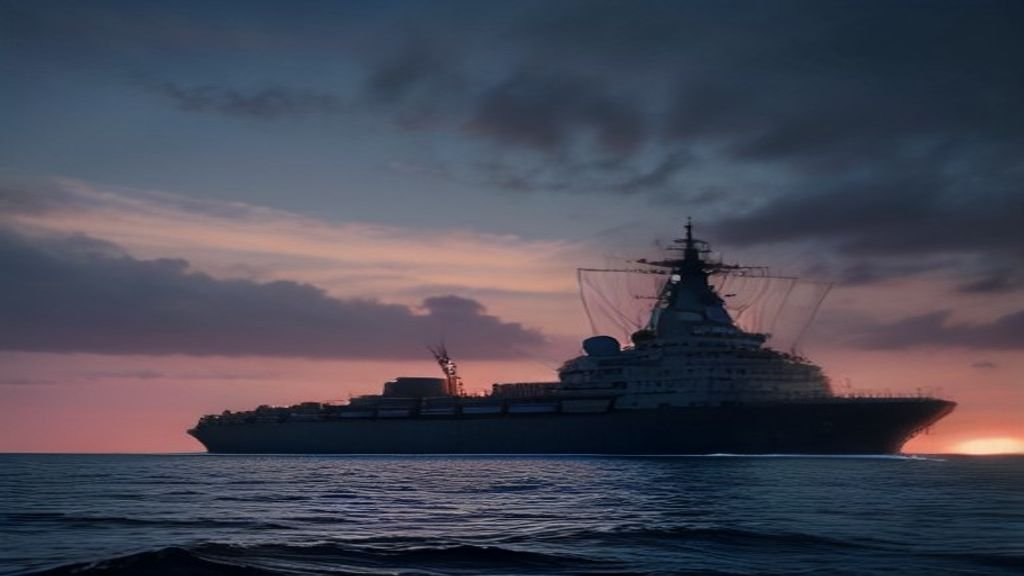
Tensions in key international shipping lanes have reached a critical flashpoint following reports that the US military hits Iranian tankers in strategic waters. Defense officials confirmed that U.S. forces executed targeted strikes against three oil tankers linked to Iran after naval assets operating in the region faced direct provocation and attacks. This dramatic turn of events marks one of the most severe maritime military encounters in recent months, raising immediate concerns over international energy security and regional stability.
According to military statements, the naval operation was launched as a direct response to a series of unmanned drone and missile engagements aimed at U.S. Navy vessels carrying out routine freedom-of-navigation patrols. While details regarding casualties remain limited, military spokespersons emphasized that the strikes were proportional, tactical, and designed to neutralize ongoing threats to international shipping corridors.
Background: Rising Tensions in Strategic Waterways
For several months, maritime security in the Middle East has experienced heightened vulnerability. Commercial vessels, container ships, and military frigates navigating crucial maritime choke points—such as the Strait of Hormuz and the Bab-el-Mandeb Strait—have faced continuous risks from anti-ship missiles, maritime drones, and intelligence-gathering craft. The latest escalation occurred after U.S. Navy destroyers intercepted multiple incoming threats launched from offshore assets.
Defense analysts point out that international waters host nearly thirty percent of the world’s seaborne petroleum trade. Any direct military engagement involving oil infrastructure or commercial tankers introduces immediate volatility into the global supply chain. When news broke that the US military hits Iranian tankers, shipping companies immediately re-evaluated risk assessments for vessels transiting nearby routes.
Details of the Military Engagement
The operation involved a coordinated air and sea response designed to disable operational capabilities without causing widespread ecological disruption. Defense officials outlined that precision-guided munitions were utilized during the engagement to target key infrastructure aboard the three vessels.
Key Factors Leading to the Operational Decision:
- Defensive Posture: U.S. warships reportedly engaged incoming aerial and surface drones before launching retaliatory action against the command-and-control tankers.
- Target Selection: The targeted vessels were identified by intelligence services as actively facilitating hostile maritime surveillance and assisting offensive strikes against international shipping.
- Proportionality: Officials maintained that the strikes specifically targeted assets contributing to active threats rather than civilian energy transport infrastructure.
Commanders emphasized that the primary mission remains the protection of allied naval vessels, merchant shipping, and innocent mariners operating under international maritime law.
Economic Shockwaves: How Global Energy Markets are Reacting
The immediate reaction to the strikes was felt across global financial and commodity markets. Crude oil benchmarks experienced sharp price spikes within hours of the announcement, as traders priced in potential supply disruptions and geopolitical risk premiums.
Energy market analysts warn that persistent conflict in crucial maritime corridors could lead to prolonged economic ripples:
- Surging Freight and Insurance Rates: Marine insurance underwriters have significantly raised war-risk premiums for oil tankers and cargo ships transiting the Persian Gulf and surrounding seas.
- Rerouting Trade Logistics: Several major shipping conglomerates are ordering vessels to take longer, more expensive routes around the Cape of Good Hope, adding days to transit schedules and increasing operational costs.
- Supply Chain Inflation: Higher transport and energy costs inevitably filter down to consumer markets, potentially reigniting global inflationary pressures across manufacturing and retail sectors.
Geopolitical Implications and Diplomatic Reactions
The decision where the US military hits Iranian tankers has drawn immediate responses from international bodies and foreign governments. Diplomatic representatives from various nations called for urgent restraint to prevent a broader regional war, while reaffirming the necessity of safeguarding international trade routes.
Iran’s diplomatic channels denounced the operation, characterizing the military action as an act of aggression in international waters. Conversely, U.S. officials and key strategic allies defended the intervention as a lawful exercise of self-defense under international law, citing repeated, unprovoked hostile actions against sovereign naval fleets.
The United Nations Security Council is expected to convene an emergency session to address the escalating maritime crisis, evaluate statements from both parties, and explore diplomatic pathways toward de-escalation.
Future Outlook: Strategic Deterrence vs. Prolonged Conflict
As maritime defense forces remain on high alert, global observers are closely monitoring whether this decisive military action will serve as an effective deterrent or trigger further asymmetrical responses. Defense experts suggest that future developments will depend heavily on whether international diplomatic interventions can establish enforceable maritime security standards.
In the short term, naval forces from a multinational coalition are expanding maritime patrols, establishing safer transit corridors, and upgrading air-defense coverage for commercial vessels moving through high-risk zones.
Conclusion
The news that the U.S. military targeted and hit three Iranian tankers marks a significant shift in regional maritime strategy and international defense dynamics. While the actions were framed as vital self-defense measures to protect naval and merchant ships, the broader economic and geopolitical consequences will unfold over the coming weeks. Maintaining safe, open international shipping lanes remains paramount for global trade, making effective diplomatic and defense strategy more urgent than ever.